







Choosing an electric dirt bike today isn’t as simple as comparing prices or picking the model with the biggest numbers on the spec sheet. Bikes that sit in a similar price range can feel very different to ride, and choosing the wrong one often means outgrowing it too quickly—or feeling limited right from the start.
This guide looks at four popular options in this category—Qronge, Aipas, HappyRun, and Yozma—and explains how to choose between them based on real specifications and real-world use. It’s not a ranking, and it’s not a performance test. The goal is to help you understand what actually matters, so you can make a decision you won’t second-guess later.
How to Think About Choosing the Right Electric Dirt Bike
Before comparing brands or specs, it helps to be clear about how the bike will actually be used.
Most buying decisions come down to three questions:
– How much performance headroom do you want?
– Do you expect your riding needs to change over time?
– Do you prefer flexibility, or a more fixed and predictable setup?
Once these questions are clear, choosing between different bikes becomes much easier.
The Specs That Actually Make a Difference
Once you’re clear on how you expect to use the bike, the next step is knowing which specs are actually worth paying attention to. Not every number on a spec sheet carries the same weight in real riding.
Power and torque are a good place to start. They shape how the bike accelerates, how it handles climbs, and how comfortable it feels as conditions change. Just as important is whether that power feels controlled and usable, not just impressive on paper.
Performance headroom is better understood through torque, power delivery, and riding modes. These factors show how much flexibility a bike offers as riding needs change, without relying on a maximum-speed figure.
Battery voltage and capacity influence both ride feel and convenience. Battery voltage helps define how the electrical system is configured, while actual power delivery also depends on the motor, controller, and overall tuning. Larger batteries make longer sessions possible without constantly thinking about charging.
Riding modes help tie all of this together. They allow the same bike to feel manageable in one situation and more responsive in another, rather than locking you into a single riding style.
Load capacity and overall weight round out the picture, affecting stability, comfort, and who the bike can realistically accommodate.
Learn more: Qronge X1 SPARK vs Yozma IN 10
Side-by-Side Snapshot: Key Specs
|
Model |
Torque |
Battery |
Riding Modes |
Max Load |
|
Qronge X1 SPARK |
283 Nm |
60V 28.8Ah |
ECO / Sport / Turbo |
350 lbs |
|
Aipas S1 AMP |
255 Nm |
60V 28Ah |
Eco / Sport / Turbo |
350 lbs |
|
HappyRun G300 SE |
220 Nm |
48V 26Ah |
Three adjustable settings |
330 lbs |
|
Yozma IN 10 |
146 Nm |
48V 23.4Ah |
Three settings |
265 lbs |
What These Differences Feel Like in Real Riding
Performance reserve becomes noticeable when climbing, accelerating repeatedly, or carrying more weight. Torque, power delivery, and the available riding modes all help determine how the bike responds in these situations.
Battery voltage plays a similar role in the overall system design, although actual ride feel depends on motor and controller tuning rather than voltage alone. Larger batteries also make riding sessions feel less constrained by charging schedules.
Riding modes change a bike’s personality more than most people expect. A multi-mode bike can be easygoing and controlled at first, then feel much more responsive later. A fixed-performance bike, on the other hand, feels the same every time—predictable and simple, but less adaptable.
Which Bike Makes Sense for Different Riding Needs
Rather than ranking these bikes, it’s more helpful to match them to how they’re likely to be used.
Qronge X1 SPARK
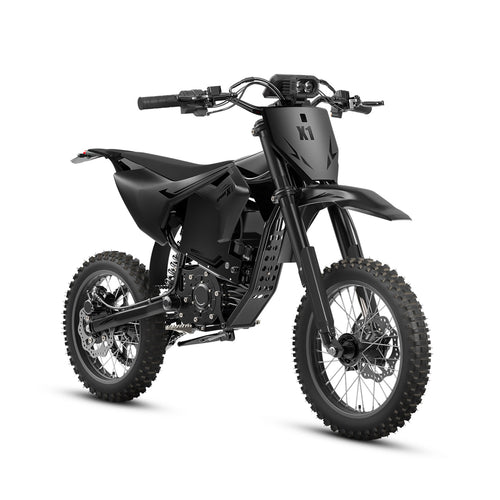
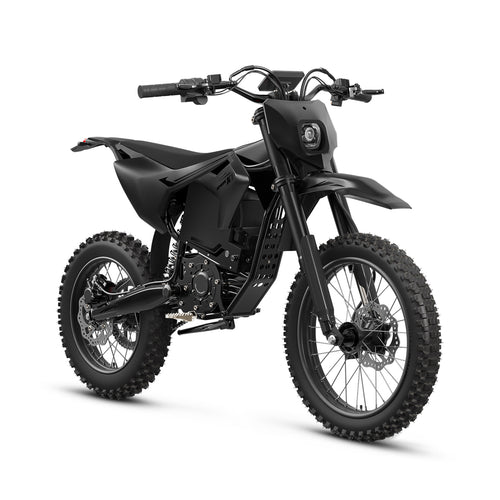
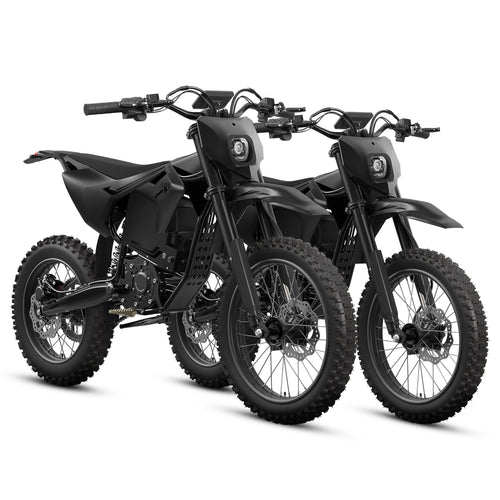
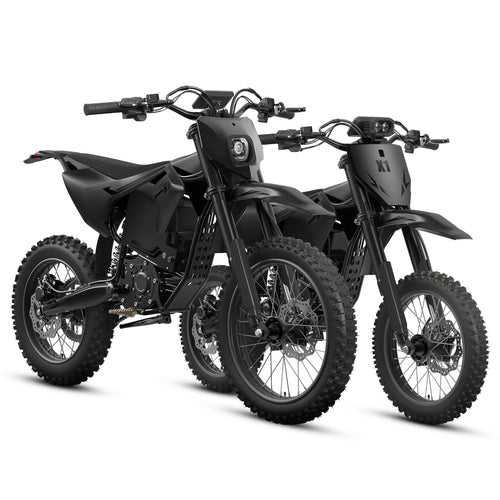
The X1 SPARK sits at the high-performance end of this group, combining strong torque, a 60V battery system, and three distinct riding modes. What stands out most is how adjustable the overall experience is. Power can be kept under control early on and gradually opened up as riding skills or expectations change.
This flexibility makes the X1 SPARK a practical choice for riders who want a bike that can stay relevant over a longer period. Instead of being locked into a single performance level, the bike allows room to grow without feeling overwhelming at the start.
For riders who don’t want to worry about outgrowing their setup too quickly, that adaptability plays a big role.
X1 Spark M
Aipas S1 AMP
Aipas S1 AMP also uses a 60V battery platform and multiple riding modes. Its approach leans more towards clearly defined specifications and technical transparency.
In addition to its performance capabilities, Aipas places emphasis on detailed component descriptions, certifications, and system protections. This can be reassuring for buyers who like to understand exactly what they’re getting on a technical level and prefer a more structured presentation of performance and safety-related details.
Aipas S1 AMP tends to suit riders who want high performance but also place value on clearly documented specs and engineering details, rather than focusing primarily on adjustability over time.
HappyRun G300 SE
HappyRun G300 SE takes a more straightforward and conservative approach within this group. Its 48V 26Ah battery, 220 Nm torque output, and three adjustable settings create a more defined performance setup.
Its setup is comparatively straightforward, which can be appealing if you already know the level of performance you’re comfortable with. The adjustable settings still provide some control over the riding experience without changing the bike’s overall character.
This makes the G300 SE a good fit for riders who want a simple, ready-to-ride option and don’t expect their riding style or performance needs to change significantly over time.
Yozma IN 10
Yozma IN 10 offers the most restrained setup in this group, with lower torque, three selectable settings, and a lighter load rating. Its design emphasises clear boundaries and predictable behaviour from the start.
Rather than aiming for maximum performance, the IN 10 focuses on keeping expectations well defined. This approach can be particularly appealing to buyers who prioritise predictability and want a bike that feels easy to understand and manage without much adjustment.
Choosing the Bike That Fits You Best
Most regret in electric dirt bike purchases doesn’t come from choosing the wrong brand—it comes from choosing the wrong performance level.
Bikes with similar prices can be built for very different types of riders. Understanding how specs translate into real riding, and how those differences affect long-term use, makes the decision much clearer than comparing numbers alone.
Once you know whether you value flexibility, simplicity, or clearly defined limits, the right choice usually becomes obvious.


